What I ate in Kochi
Five foods that explained the city better than a checklist could
I did not go to Kochi looking for polished tasting menus. I wanted the food people actually stop for: smoky fish, crispy dumplings at night, a bowl of ramen after drinks, bread from a local shop, and a warm fried snack eaten from a paper bag.
Kochi's essential local dish
Katsuo no Tataki カツオのたたき
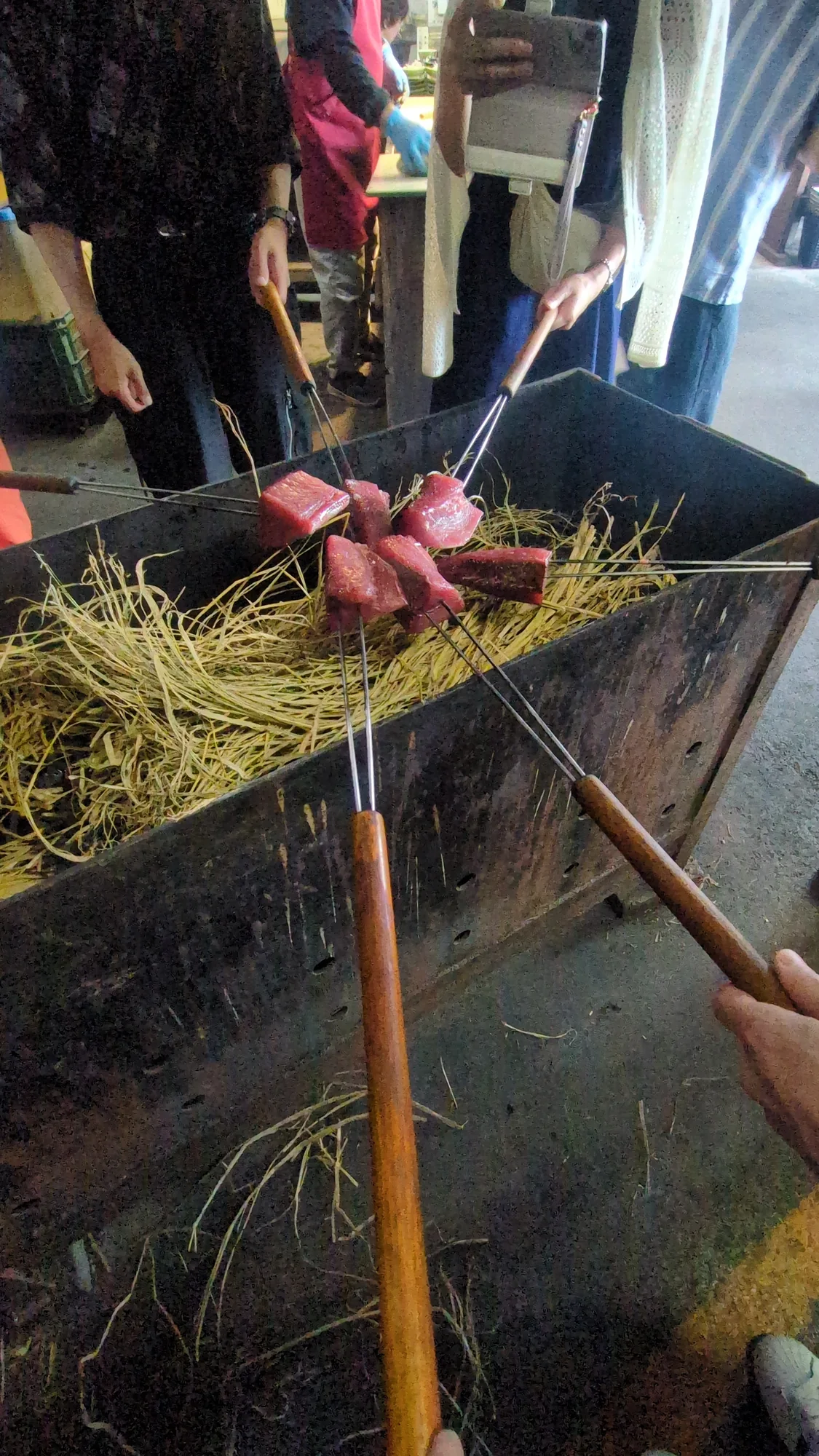
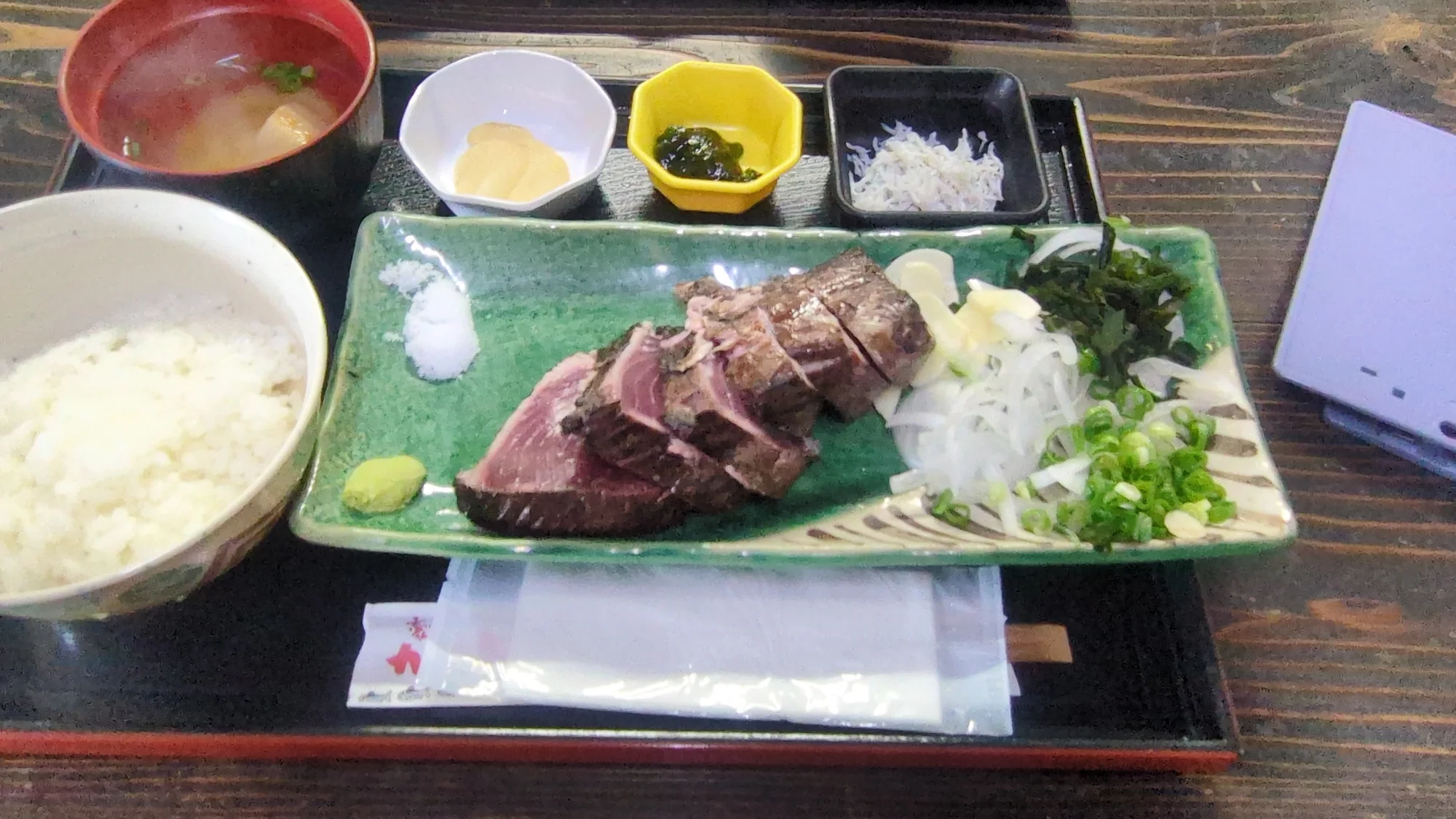
I grilled the katsuo myself over a fierce straw fire, then ate the thick slices with salt, ponzu, garlic, and sliced onion. The short, hot sear is the part you remember: smoke, flame, and fish all at once.
What does it taste like?
The outside is fragrant, smoky, and lightly charred. The middle stays fresh, soft, and meaty. Salt makes the fish taste clean and direct; ponzu adds citrus and acidity.
Where I ate it
Try one slice with salt first, then another with ponzu. Add garlic and onion a little at a time so you can still taste the katsuo.
Crispy food after dark
Yatai Gyoza 屋台の餃子
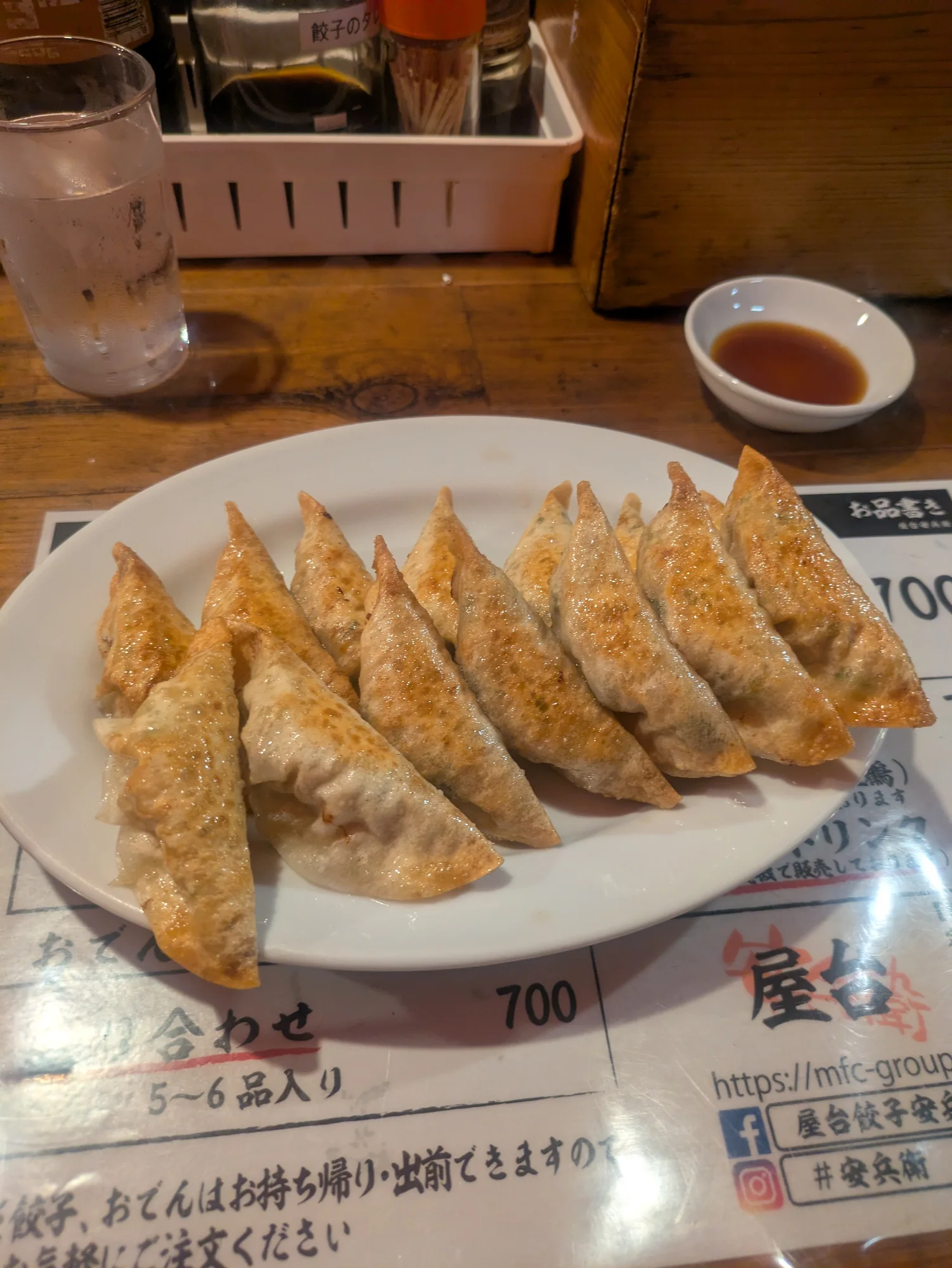
The place felt less like a conventional restaurant and more like a parking space that had turned into an outdoor dining room. That rough, open-air setup was part of the fun.
What does it taste like?
The wrappers are thin and cooked in enough oil to become crisp all over. They sit somewhere between pan-fried gyoza and fried dumplings: crunchy at the edges, juicy inside, and easy to keep eating.
Where I ate it
Gyoza arrives hot and crisp, so eat it soon rather than letting it sit. A plate is easy to share if you are ordering ramen too.
Part of a Kochi night out
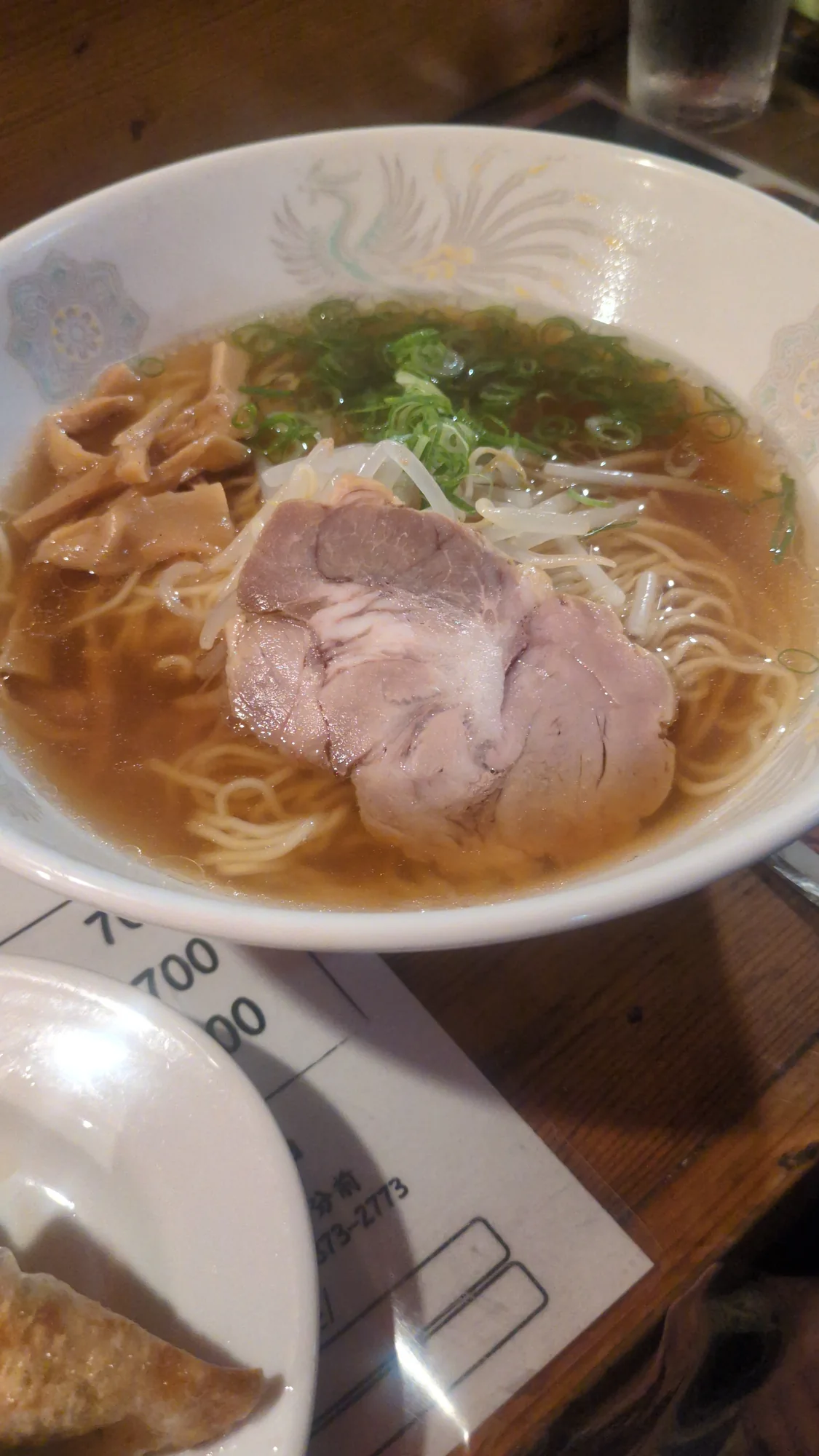
Yatai Ramen 屋台のラーメン
This bowl makes the most sense late at night. In Kochi, many people finish an evening of drinking with ramen, so the yatai is not simply a place to buy noodles. It is one more stop in the city's nightlife.
What does it taste like?
The ramen I ate was warm, savory, and comforting, with a clear brown broth, sliced pork, bamboo shoots, green onion, and thin noodles. It felt satisfying without being overly heavy.
Where I ate it
Go when you are ready to slow down at the end of the night. Yatai can be small, so keep bags compact and follow the pace of the counter.
A local bakery favorite
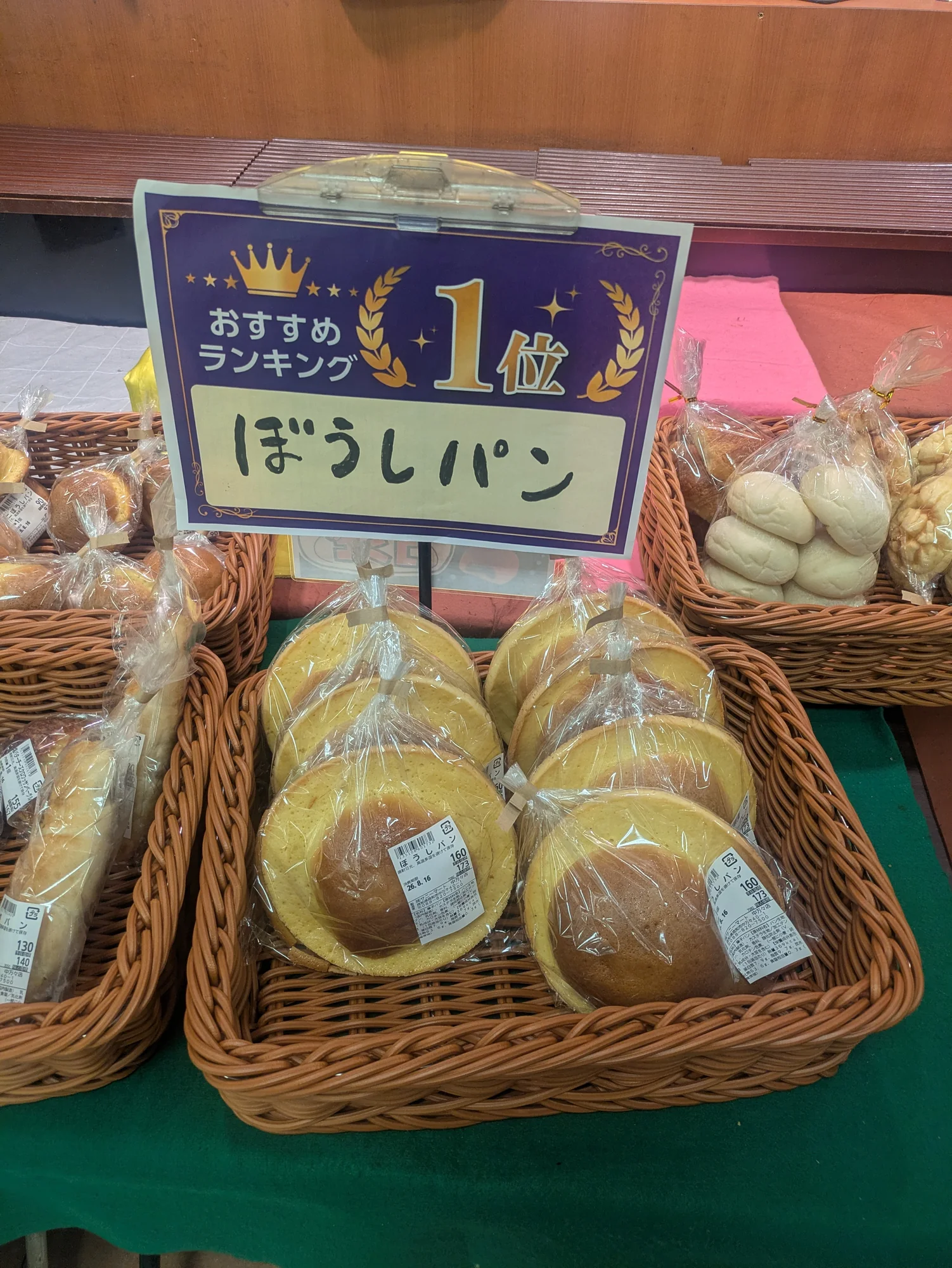
Boushi Pan 帽子パン
Boushi means “hat,” and the shape tells you exactly why this bread has its name. The soft round center forms the crown, while a wide, thin brim spreads around it.
What does it taste like?
The middle is fluffy bread. The brim is sweeter and has a light, cookie-like bite. It feels like eating bread and a cookie at the same time.
Where I found it
Look for the wide brim when you scan a bakery or supermarket bread shelf. It works well for breakfast or an afternoon snack.
Warm sweet potato snack
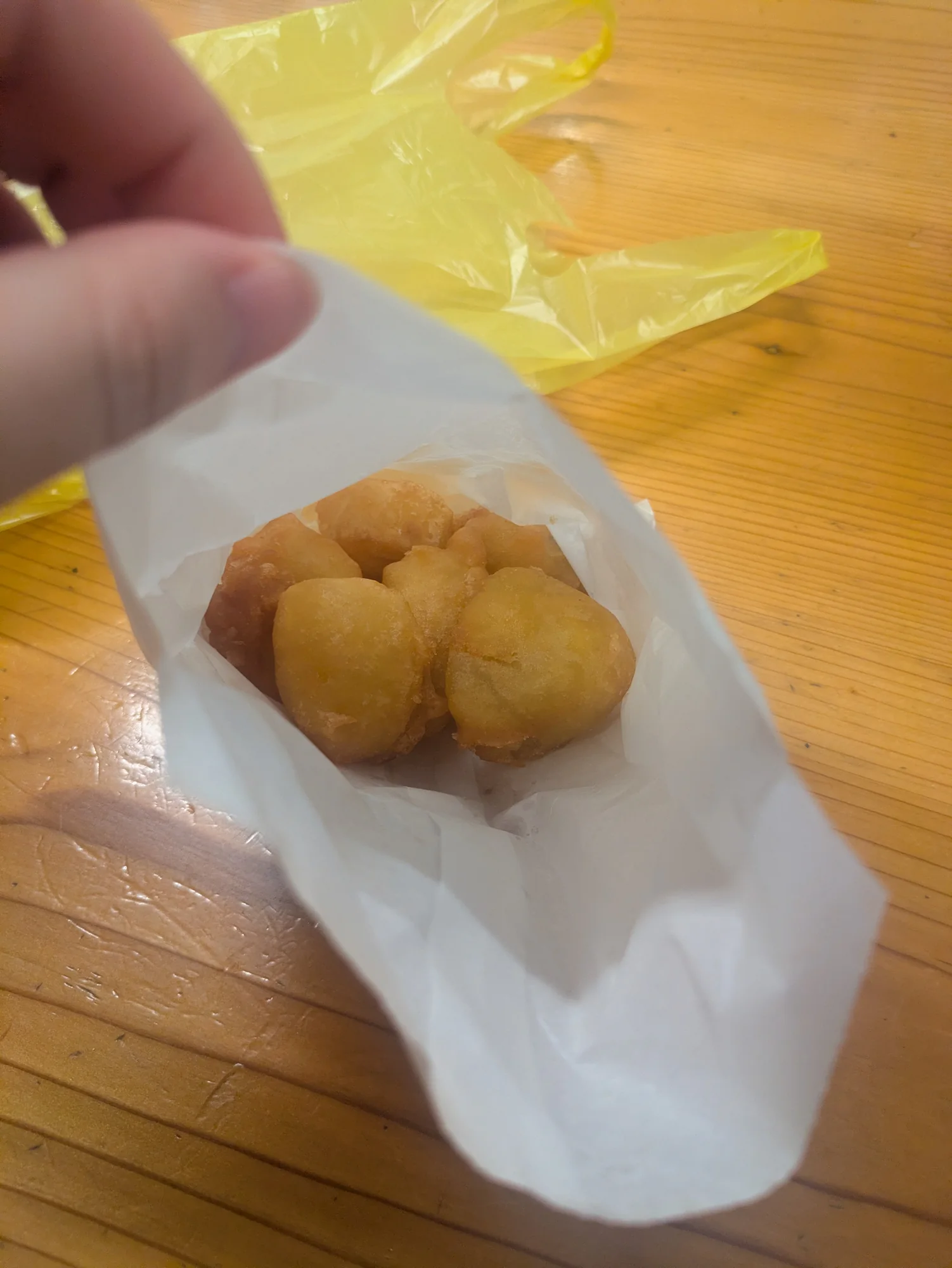
Imoten 芋天
Imoten is made by coating pieces of sweet potato in batter and frying them. It arrives as small golden pieces that are easy to pick up and eat from a paper bag.
What does it taste like?
The coating is soft and lightly crisp, while the sweet potato inside is tender. The sweetness is gentle rather than sugary, so it tastes comforting and very straightforward.
Where I ate it
Eat imoten while it is still warm. Start with a small bag—the pieces are more filling than they look.
What should you eat in Kochi?
Start with katsuo, then follow the time of day
If you choose only one food, make it freshly seared katsuo no tataki. It is the clearest taste of Kochi and the dish I would most want to repeat.
Smoky, fresh, and unmistakably local.
A casual way to join Kochi's night rhythm.
Easy, local, and simple to enjoy on the go.
The best Kochi travel food guide is not a list you finish. It is a day that moves from market and bakery shelves to smoky fish, a paper bag of something warm, and a yatai seat at night.
Back in Tokyo
Make another regional Japanese favorite by hand
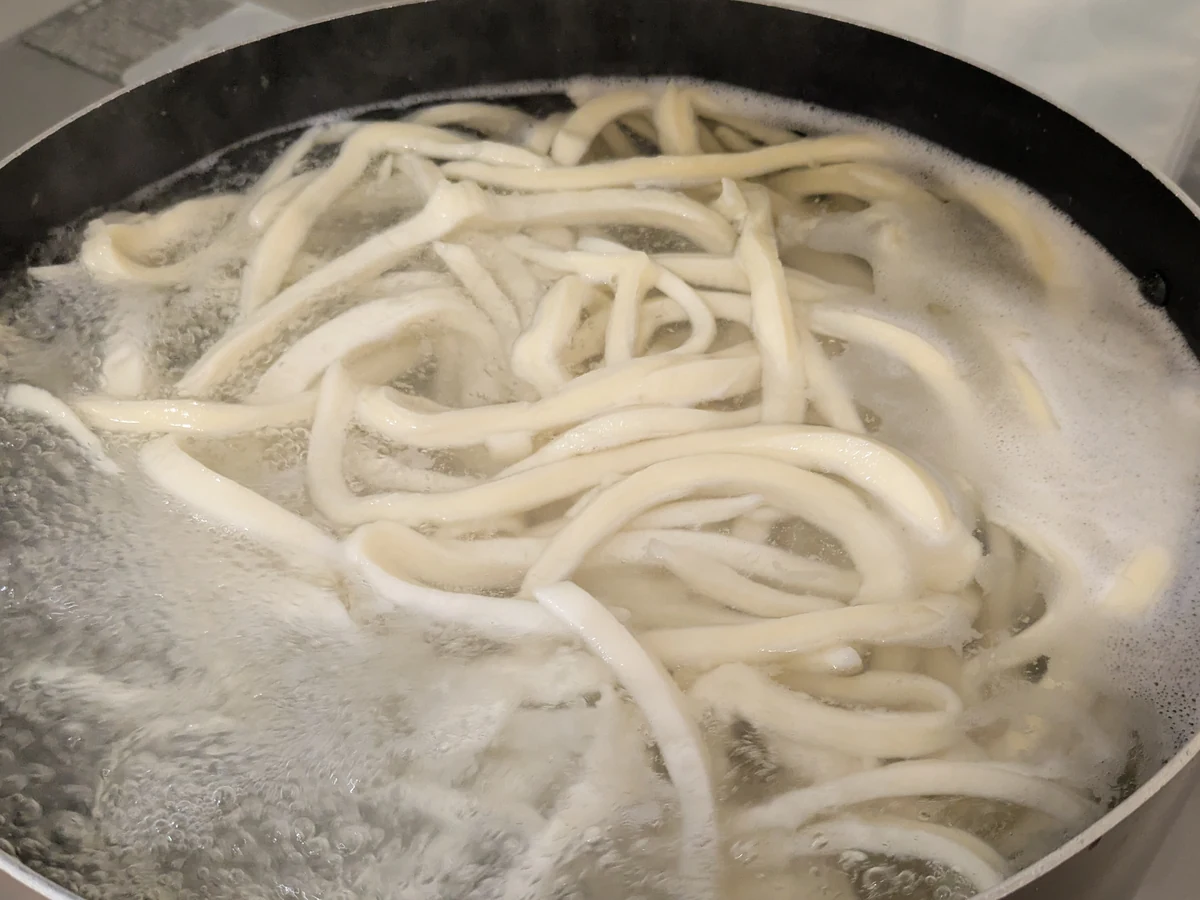
Join our small-group Sanuki udon workshop in Tokyo. Mix, knead, step on the dough, roll, cut, boil, and eat the noodles you make.