Tokyo is still one of the easiest cities to enjoy when it rains. The city has indoor activities for almost every travel style: hands-on food and cultural experiences, major museums, aquariums, immersive art, karaoke, spas, department-store food halls, and enormous station-linked shopping areas. Instead of treating rain as a lost day, choose two or three worthwhile places in the same part of Tokyo and keep outdoor transfers short.
This guide helps first-time visitors, families, couples, and solo travelers compare realistic options by area, time, budget, reservation needs, and rain exposure. It also includes no-reservation ideas for sudden showers and several practical rainy-day itineraries.
Pick one indoor anchor activity—such as a museum, workshop, aquarium, or immersive art venue—then add food, shopping, or entertainment nearby. Tokyo Station, Ueno, Shibuya, Shinjuku, Ikebukuro, Asakusa/Skytree, and Toyosu/Harumi all support low-exposure plans.
Choose quickly
Rainy-day activities at a glance
If the rain has already started, use this table to choose an activity that fits your group and planning time.
| Best for | Activity | Area | Approx. time | Reservation | Budget | Rain exposure |
|---|---|---|---|---|---|---|
| Cultural experience | Make Sanuki udon | Harumi | About 2 hours | Recommended; same-day may be available | ¥¥ | Low |
| Families | Sumida Aquarium + Solamachi | Oshiage | 2–4 hours | Recommended on busy days | ¥¥ | Very low |
| Couples | teamLab Planets | Toyosu | 1.5–2 hours | Book ahead | ¥¥¥ | Low |
| Solo travelers | Ueno museums | Ueno | 2–4 hours | Usually flexible | ¥–¥¥ | Medium |
| Free activity | Tokyo Station underground | Marunouchi | 1–3 hours | None | Free to browse | Very low |
| No reservation | Department-store food hall | Ginza / Shinjuku / Shibuya | 1–2 hours | None | ¥–¥¥ | Very low |
| Evening | Karaoke | Major stations | 1–2 hours | Walk-in often possible | ¥–¥¥ | Low |
| Near Tokyo Station | First Avenue + Marunouchi | Tokyo Station | 2–4 hours | None | Free–¥¥ | Very low |
| Near Shibuya | Game center + depachika | Shibuya | 1–3 hours | None | ¥–¥¥ | Low |
| Near Shinjuku | Kissaten + indoor shopping | Shinjuku | 2–4 hours | None | ¥–¥¥ | Low |
Indoor Tokyo
13 memorable things to do when it rains
Best hands-on cultural experience
Make Sanuki udon from flour, salt, and water
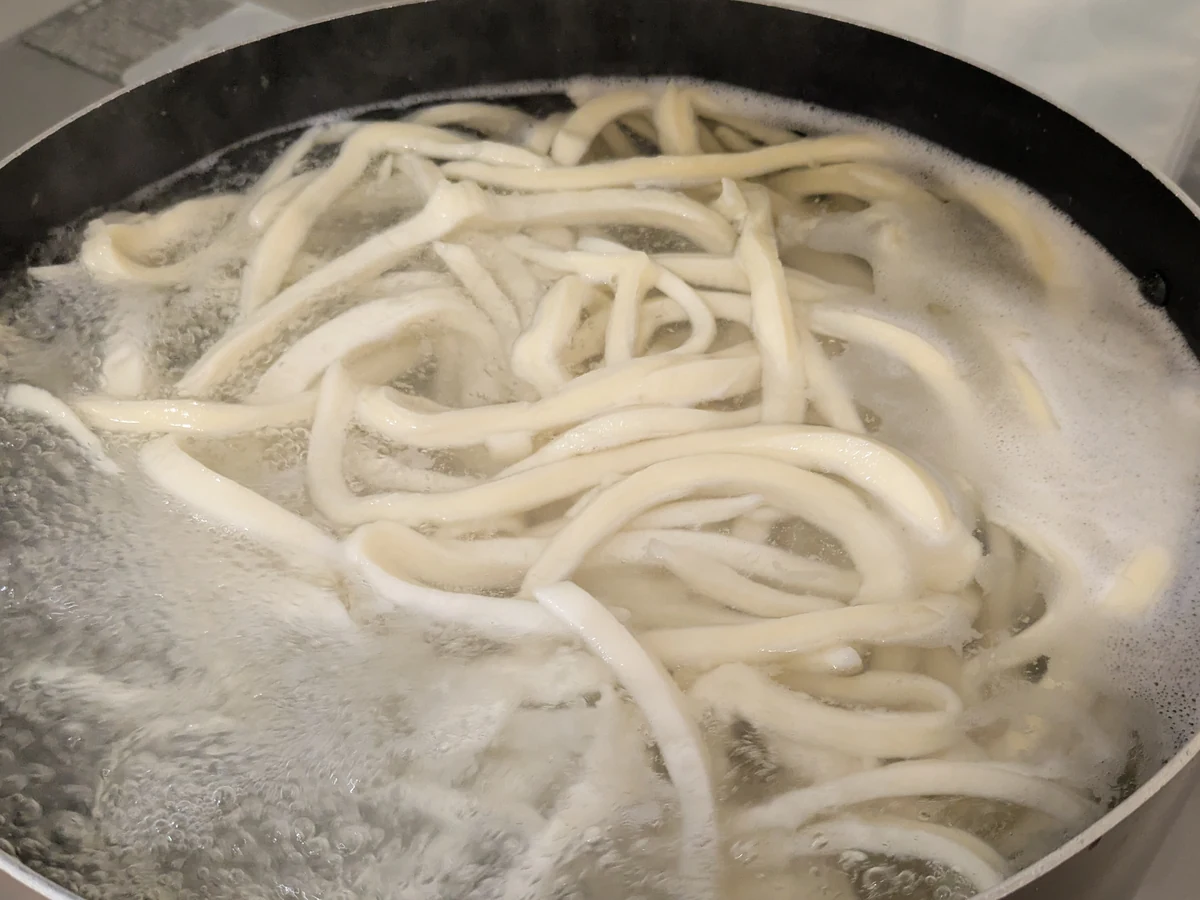
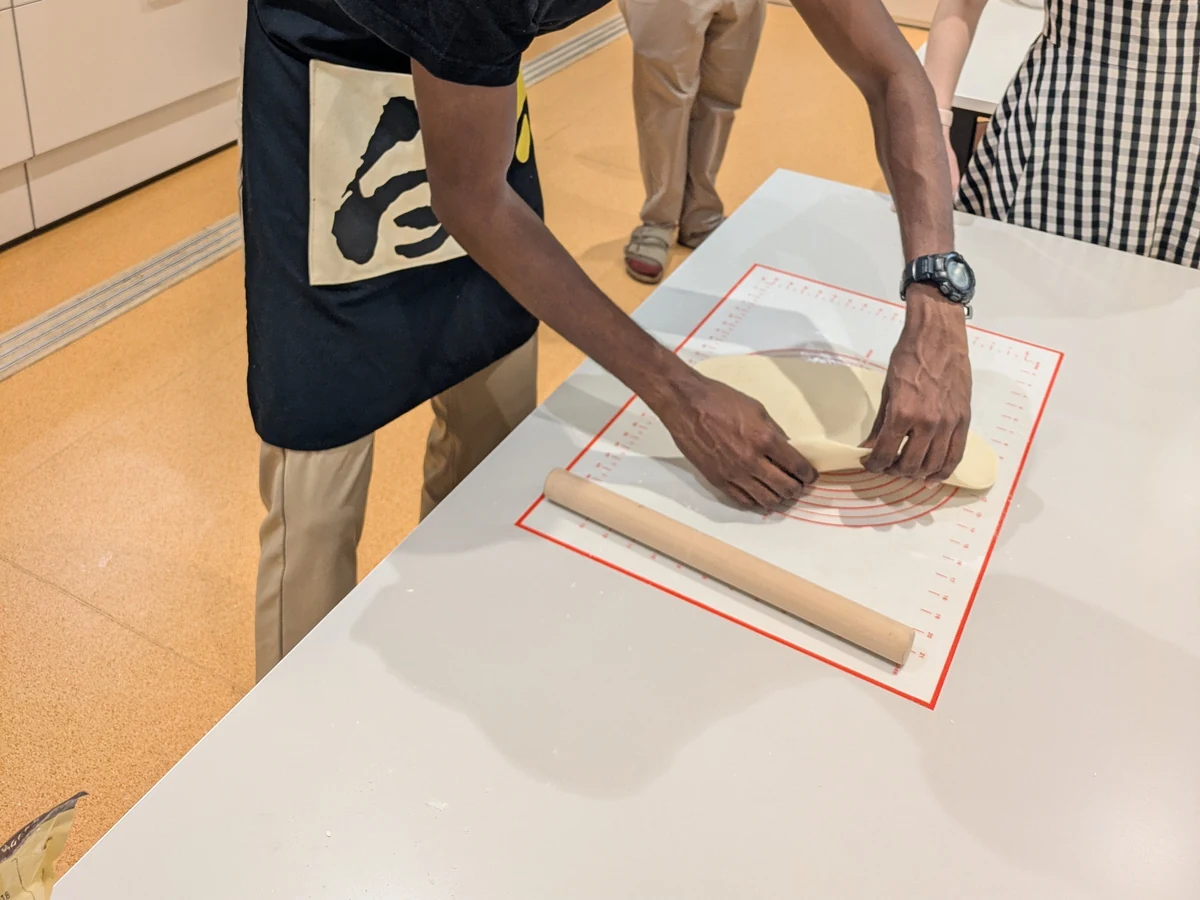
A rainy day is a natural opportunity to slow down and learn something with your hands. In this small-group workshop in Harumi, you mix and knead the dough, use the traditional foot-stepping method, roll and cut the noodles, then boil and eat the udon you made.
The experience is led by a Kagawa local, so the class includes the story behind Sanuki udon—not only the cooking steps. It is English-friendly and suitable for beginners, solo travelers, couples, and families. Same-day reservations are welcome whenever an open time is still shown in the booking calendar.
- Allow: approximately 2 hours
- Weather: workshop activities are indoors
- Booking: same-day reservations are available when spaces remain
- Good for: travelers who want participation rather than sightseeing
Best for understanding the city
Explore Tokyo’s past at the Edo-Tokyo Museum
Ryogoku’s Edo-Tokyo Museum reopened in 2026 after a major renovation. Its large models, reconstructed spaces, and historical objects explain how a small castle town became the Tokyo visitors see today.
This is a particularly good rainy-day choice because the museum gives context to the neighborhoods, bridges, food culture, and traditions you will encounter during the rest of your trip.
- Allow: 2–4 hours
- Booking: check current exhibitions and ticket guidance
- Rain exposure: low from Ryogoku Station
- Good for: first-time visitors, history fans, and solo travelers
Best immersive experience
Walk through digital art at teamLab Planets
teamLab Planets in Toyosu is an indoor, body-centered art experience where visitors move through water, mirrored rooms, light, and changing digital environments. The experience is largely separated from the weather outside, making it a strong replacement for an outdoor sightseeing plan.
Timed tickets can sell out, especially on weekends and during travel peaks. Reserve before traveling across the city, and read the clothing guidance because some rooms include water and mirrored surfaces.
- Allow: 1.5–2 hours
- Booking: advance timed ticket strongly recommended
- Rain exposure: low, with a short outdoor transfer
- Good for: couples, older children, and visual-art fans
Best flexible culture day
Choose a museum around Ueno Park
Ueno has several major museums within a compact area. The Tokyo National Museum is the strongest choice for Japanese art and historical objects, while the National Museum of Nature and Science is often easier for families with children.
Choose one museum rather than trying to rush through several. Exhibition schedules and closing days vary, and many museums close on Mondays or substitute days after national holidays.
- Allow: 2–4 hours per museum
- Booking: often flexible; special exhibitions may differ
- Rain exposure: medium across Ueno Park
- Good for: solo travelers, families, and art or science fans
Best for families
Visit Sumida Aquarium and explore Tokyo Solamachi
Sumida Aquarium sits inside the Tokyo Skytree Town complex, so you can combine an aquarium visit with shopping, food, and indoor views without creating a complicated wet-weather route. The open tanks and calm lighting also make it a gentler option after several busy sightseeing days.
Because the aquarium is compact, families can combine it with lunch and character shopping inside Solamachi. Check ticket conditions during school holidays and weekends.
- Allow: 2–4 hours with Solamachi
- Booking: same-day tickets may be available; reserve on busy days
- Rain exposure: very low inside Tokyo Skytree Town
- Good for: families, couples, and a slower afternoon
Best without a reservation
Discover the underground city at Tokyo Station
Tokyo Station is more than a transport hub. Beneath and around the platforms are restaurants, cafés, souvenir shops, character stores, and passageways that can fill several hours while keeping outdoor walking short.
Tokyo Character Street works well for anime and character gifts, while Tokyo Ramen Street is useful when a group wants several recognizable noodle options in one place. The station is large, so agree on a meeting point before separating.
- Allow: 1–3 hours
- Booking: none for browsing
- Rain exposure: very low
- Good for: first-time visitors and last-minute plans
Best creative souvenir
Book a Japanese craft workshop
Ring making, calligraphy, food-sample making, pottery painting, and other craft workshops turn an unexpected rainy afternoon into something you can take home. These activities are especially helpful for couples, families, and solo travelers who prefer a scheduled experience to open-ended shopping.
Search by the neighborhood where you are already staying, then check language support, minimum group size, and cancellation rules before booking.
- Allow: 1–3 hours
- Booking: usually required
- Rain exposure: varies by studio
- Good for: couples, families, solo travelers, and souvenir makers
Best evening activity
Sing in a private karaoke room
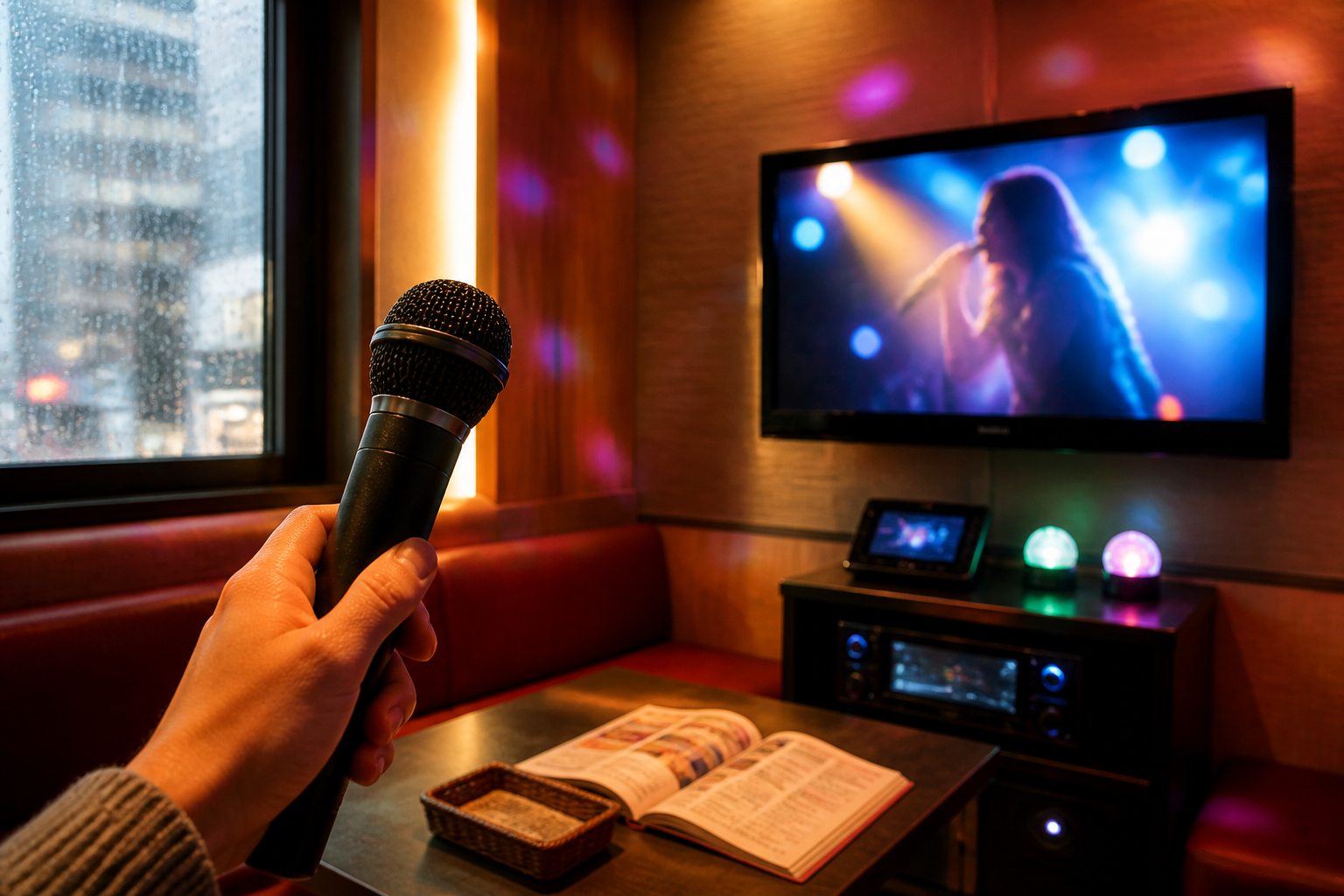
Karaoke rooms are private, available around most major stations, and easy to use for an hour or two. Many venues offer English-language controls, drinks, and food, which makes karaoke a comfortable evening fallback when museum hours are ending.
Prices change by time and day, so check the rate display before entering. Larger branches in Shinjuku, Shibuya, Ikebukuro, and around Tokyo Station are often easier for international visitors.
- Allow: 1–2 hours
- Booking: walk-in often possible; evenings can be busy
- Rain exposure: low near major stations
- Good for: couples, friends, families with older children, and evenings
Best spontaneous entertainment
Play at a Japanese game center
Game centers offer rhythm games, crane machines, racing games, and photo booths without requiring a full-day commitment. They are useful when rain becomes heavier than expected or you have an hour between meals and another indoor stop.
- Allow: 30 minutes–2 hours
- Booking: none
- Rain exposure: low near major stations
- Good for: teens, couples, friends, and solo travelers
Best slow afternoon
Wait out the rain in a traditional kissaten
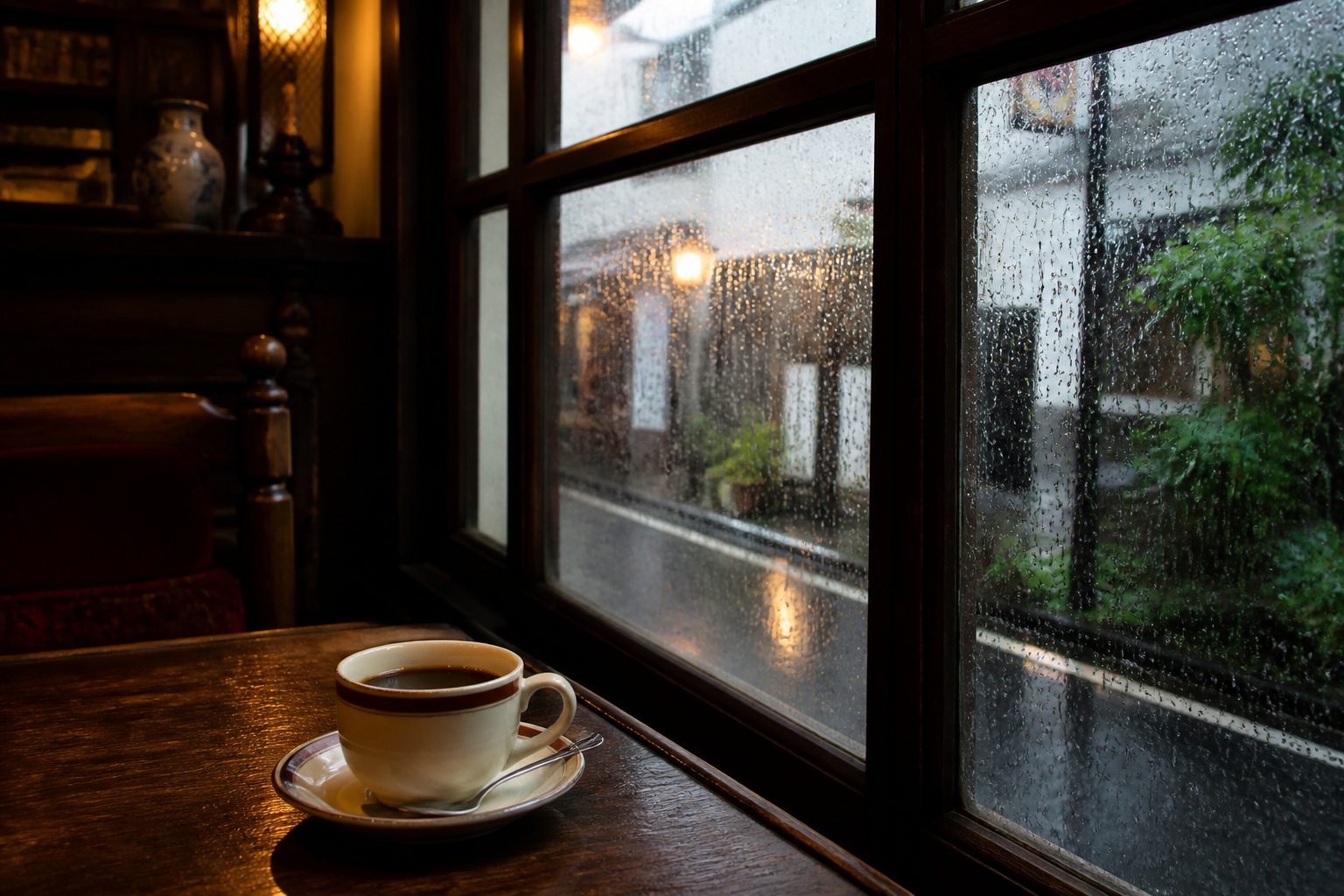
Not every day in Tokyo needs another major attraction. A traditional kissaten gives you time to watch the rain, try carefully brewed coffee or a nostalgic toast set, and recover from a crowded itinerary. Small shops may have smoking rules or cash-only payment, so check signs at the entrance.
- Allow: 45–90 minutes
- Booking: none
- Rain exposure: depends on the café
- Good for: solo travelers, couples, and anyone needing a quiet break
Best food activity without a reservation
Explore a department-store food hall
A depachika—the food floor in a Japanese department-store basement—is an easy way to compare seasonal sweets, bento, prepared dishes, tea, and gifts under one roof. Ginza, Shinjuku, Shibuya, and Tokyo Station all offer strong options, often connected to rail stations or underground passages.
Most food is sold for takeaway, and eating while walking is discouraged. Choose items for your hotel or use a designated seating area when one is available.
- Allow: 1–2 hours
- Booking: none
- Rain exposure: very low at station-linked stores
- Good for: food lovers, families, and last-minute plans
Best for complete relaxation
Spend a few hours at an onsen or urban spa
An urban bath or spa can turn a cold, wet day into deliberate downtime. Larger facilities may include indoor baths, saunas, lounges, and restaurants, allowing you to stay in one place for several hours.
Rules vary considerably. Check tattoo policies, age restrictions, maintenance closures, and bathing etiquette on the facility’s official website before going; some spas require tattoos to be covered or do not allow them.
- Allow: 2–5 hours
- Booking: often not required, but check the facility
- Rain exposure: low once inside
- Good for: adults, couples, and tired travelers
Best indoor view and all-in-one complex
See rainy Tokyo from an indoor observation deck
Clouds may limit long-distance views, but an indoor observation deck can still reveal Tokyo’s scale, wet streets, and evening lights. Sunshine 60 Observatory Tenbou-Park in Ikebukuro is inside Sunshine City, so you can combine the view with restaurants, shops, an aquarium, and other entertainment without crossing the city again.
- Allow: 1–4 hours with the complex
- Booking: check current ticket and crowd guidance
- Rain exposure: very low inside Sunshine City
- Good for: families, couples, and evening plans
Match the day to your group
Best Indoor Activities in Tokyo by Traveler Type
- For families with kids: choose Sumida Aquarium and Solamachi, a Ueno science museum, or Sunshine City so food and backup options stay nearby.
- For couples: combine teamLab Planets, a Japanese craft workshop, a kissaten, karaoke, or an indoor city view.
- For solo travelers: museums, a small-group cooking experience, kissaten, and food halls offer structure without requiring a companion. See our guide to a Tokyo cooking class for solo travelers.
- For first-time visitors: start with the Edo-Tokyo Museum or Tokyo National Museum, then add Tokyo Station or a neighborhood food experience.
- For Japanese culture: choose the Sanuki udon workshop, a craft class, or a museum with Japanese art and history.
- For travelers without a booking: use the no-reservation list and confirm same-day admission before crossing Tokyo.
Keep transfers short
Best Indoor Activities by Tokyo Area
Rainy days become tiring when you repeatedly cross the city. Build your plan around one area, then add two or three nearby indoor stops.
| Area | Easy rainy-day combination | Best for |
|---|---|---|
| Tokyo Station / Marunouchi | First Avenue → underground lunch → station-linked shops | No-reservation days and gifts |
| Ginza | Department-store galleries → depachika → café | Food, design, and shopping |
| Shinjuku | Indoor shopping → depachika → karaoke | Evening plans and mixed groups |
| Shibuya | Station-linked shopping → game center → food hall | Teens, couples, and entertainment |
| Ueno | One major museum → station building → dinner nearby | Art, history, and families |
| Asakusa / Skytree | Sumida Aquarium → Solamachi → indoor observation deck if visibility allows | Families and first visits |
| Toyosu / Harumi | teamLab Planets → Toyosu lunch → Sanuki udon workshop in Harumi | Immersive art and hands-on culture |
For more planning help around the bay, see our Toyosu and Harumi neighborhood guide.
When the forecast changes suddenly
Indoor Things to Do in Tokyo Without a Reservation
Your safest spontaneous options are places designed for walk-in traffic. Browse Tokyo Station First Avenue, a station-linked shopping complex, or a depachika; stop at a kissaten; try a game center; or book a short karaoke session. Major museums and aquariums may sell same-day tickets, but admission is not guaranteed during weekends, school holidays, or popular exhibitions.
- Most flexible: Tokyo Station underground, department-store food halls, game centers, and shopping complexes.
- Often possible: kissaten, karaoke, museums, aquariums, and urban spas.
- Check first: timed digital-art venues and small cultural workshops.
If an open time remains, our Sanuki udon workshop booking calendar accepts same-day reservations. Availability should always be confirmed before traveling to Harumi.
Four realistic routes
Tokyo Rainy-Day Itineraries
Tokyo Station without a booking
Browse First Avenue and Character Street, have lunch underground, then walk through station-linked Marunouchi buildings. Allow 3–5 hours.
History, food, and an easy evening
Visit the Edo-Tokyo Museum in Ryogoku, move to Tokyo Station for a late lunch and underground browsing, then finish with karaoke near your hotel.
Skytree Town in one place
Visit Sumida Aquarium, eat inside Solamachi, and choose character shopping or an indoor view. Staying in one complex keeps the day manageable.
Toyosu and Harumi
Reserve teamLab Planets, have lunch in Toyosu, then make and eat Sanuki udon in Harumi. Read what to expect at the workshop before booking.
Do not force every stop into one day. In heavy rain, two strong activities in one area are usually better than four activities separated by long transfers.
Weather context
When Does It Rain in Tokyo?
Tokyo’s rainy season, called tsuyu, generally runs from June to around mid-July. It often brings humid, overcast days and persistent drizzle rather than nonstop extreme rain. Sudden heavy showers can also occur in summer.
Typhoons are different from an ordinary wet sightseeing day. They can bring strong winds, intense rain, flooding risk, and transport disruption, particularly from late summer into autumn. During severe weather, follow the Japan Meteorological Agency’s official warnings and instructions from your accommodation or transport operator rather than continuing a normal itinerary.
Plan comfortably
Practical Tokyo rain tips
- Do not cross the city unnecessarily. Pick two nearby anchor activities and leave room for meals.
- Check official websites the same morning. Opening days, timed tickets, exhibitions, and weather warnings can change.
- Carry a small towel and waterproof bag. Umbrella bags are often provided at building entrances, but a towel is useful for wet shoes and clothing.
- Wear shoes with grip. Station floors and painted crossings can become slippery.
- Use station-connected buildings. Tokyo, Shinjuku, Shibuya, Ikebukuro, and Oshiage all have extensive indoor options.
- Follow official warnings during severe weather. A normal rainy day is manageable; a typhoon or flood warning requires a different plan.
Before you go
Frequently asked questions
What can you do in Tokyo when it rains?
Choose an indoor activity in one area rather than crossing the city repeatedly. Good options include museums, food and craft workshops, aquariums, karaoke, game centers, department-store food halls, underground shopping streets, spas, and indoor observation decks.
What are the best indoor activities in Tokyo?
The best choice depends on your group. Hands-on food or craft workshops suit cultural travelers, museums work well for solo visitors, aquariums and science museums are useful for families, and karaoke, spas, food halls, and station complexes are flexible when plans change.
Is Tokyo still worth visiting when it rains?
Yes. Tokyo has extensive rail connections, station-linked buildings, underground passages, museums, shopping complexes, and indoor cultural experiences. A rainy day works best when you select two or three activities in the same part of the city and keep outdoor transfers short.
What can families do in Tokyo on a rainy day?
Families can visit Sumida Aquarium and Tokyo Solamachi, the National Museum of Nature and Science in Ueno, Sunshine City, a family-friendly craft workshop, or a hands-on cooking class. Check age rules, timed-entry requirements, and school-holiday crowds before traveling.
What can couples do in Tokyo when it rains?
Couples can combine immersive art, a food or craft workshop, a quiet kissaten, karaoke, a spa, or an indoor observation deck. Keeping the day within Toyosu and Harumi, Ginza and Marunouchi, or Ikebukuro reduces wet transfers.
What can I do in Tokyo without a reservation?
Tokyo Station First Avenue, department-store food halls, many kissaten, game centers, and large shopping complexes usually accept walk-ins. Museums and aquariums may also sell same-day tickets, but admission can be limited, so check the official website before leaving.
Is Shibuya good on a rainy day?
Yes. Shibuya has station-connected shopping, department stores, food halls, cinemas, karaoke, and game centers. Some transfers between buildings still involve brief outdoor walks, so use station maps and group nearby activities rather than moving repeatedly between neighborhoods.
Where can I experience Japanese culture indoors?
Try a Japanese cooking or craft workshop, the Edo-Tokyo Museum, the Tokyo National Museum, calligraphy, pottery painting, or food-sample making. Check English support and reservation requirements; small workshops often need advance booking even when larger museums do not.
Does Tokyo have underground areas?
Yes. Tokyo, Shinjuku, Shibuya, Ikebukuro, and other major stations connect to extensive underground passages, shops, restaurants, and department stores. These areas reduce rain exposure, although large stations can be confusing, so choose a clear meeting point.
What should I wear in Tokyo when it rains?
Wear shoes with good grip, light quick-drying layers, and carry a compact umbrella and small towel. During the humid rainy season, breathable clothing is more comfortable than a heavy waterproof coat. For typhoons or severe rain, follow official warnings instead of ordinary sightseeing plans.
Make the weather part of the story
Spend a rainy Tokyo afternoon making udon
Learn the Kagawa method indoors, make the noodles from scratch, and enjoy a fresh bowl at the end.