The main types of udon in Japan are defined by more than the noodles. The key differences are the broth or sauce, serving temperature, toppings, and how the bowl is eaten. Start with the two styles visitors most often compare: kake udon is served in a generous hot broth, while bukkake udon uses a smaller amount of concentrated sauce and can be served hot or cold.
This guide uses real food photos to make the differences between several classic, seasonal, and regional styles easy to see.
| Style | What makes it different | Best way to enjoy it |
|---|---|---|
| Kake | Noodles in plenty of dashi broth | Enjoy the noodles and broth together |
| Bukkake | A small amount of concentrated sauce poured over the noodles | Focus on chew and toppings |
| Zaru | Chilled noodles with a separate dipping sauce | Notice their springiness and smooth surface |
| Curry | Curry blended with Japanese dashi | A rich, warming meal |
| Nabeyaki | Noodles and toppings simmered in an individual pot | Eat it piping hot |
| Shippoku | Root vegetables simmered in dashi | Taste the flavor of the vegetables in the broth |
The two basics to learn first
Kake vs Bukkake Udon: What Is the Difference?
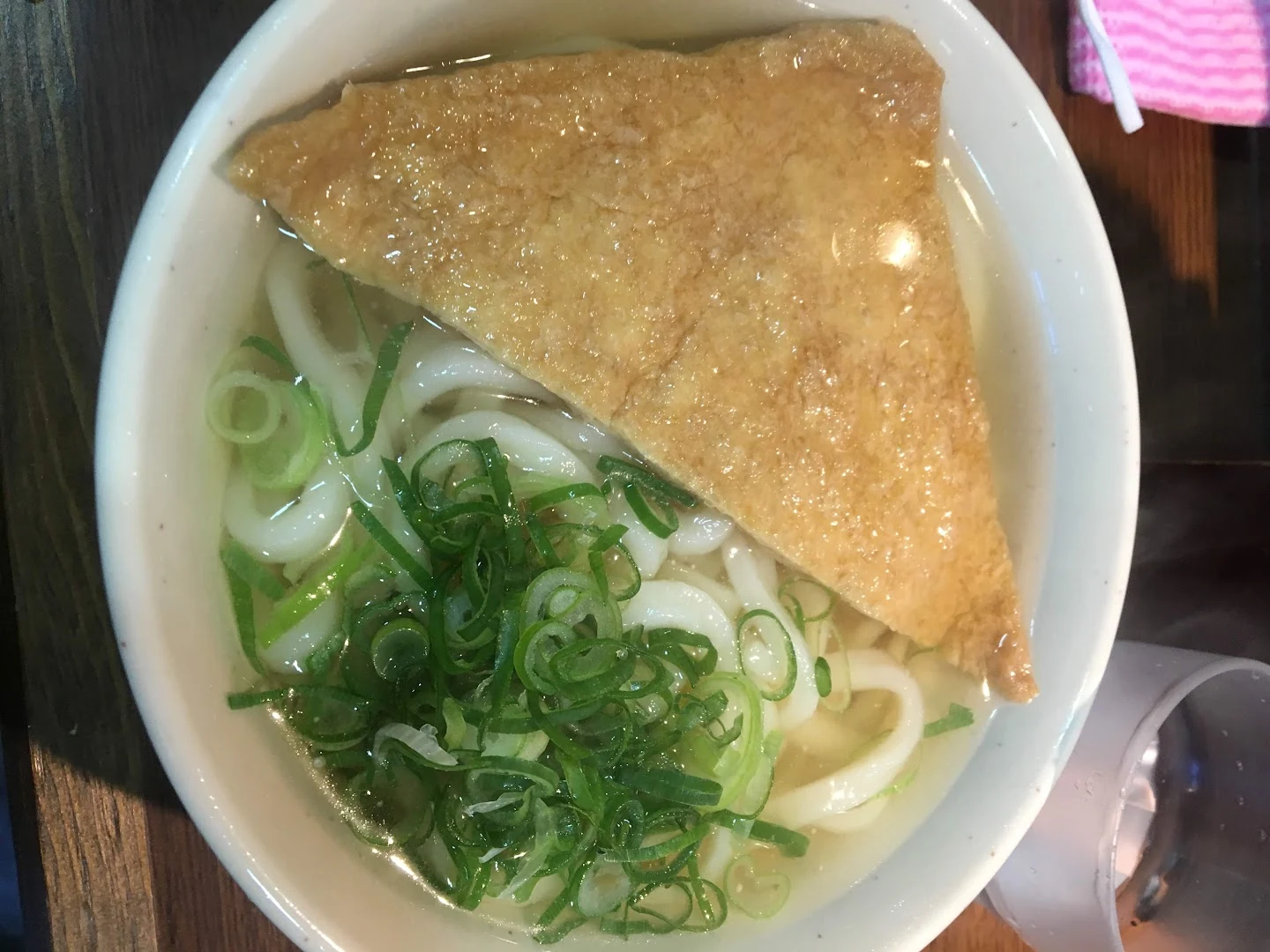
Kake udon is the gentler, soup-forward choice. The noodles sit in a generous bowl of hot dashi, making it warming and easy to eat. Photo 1 shows kitsune udon, a popular variation topped with sweet-and-savory simmered fried tofu.
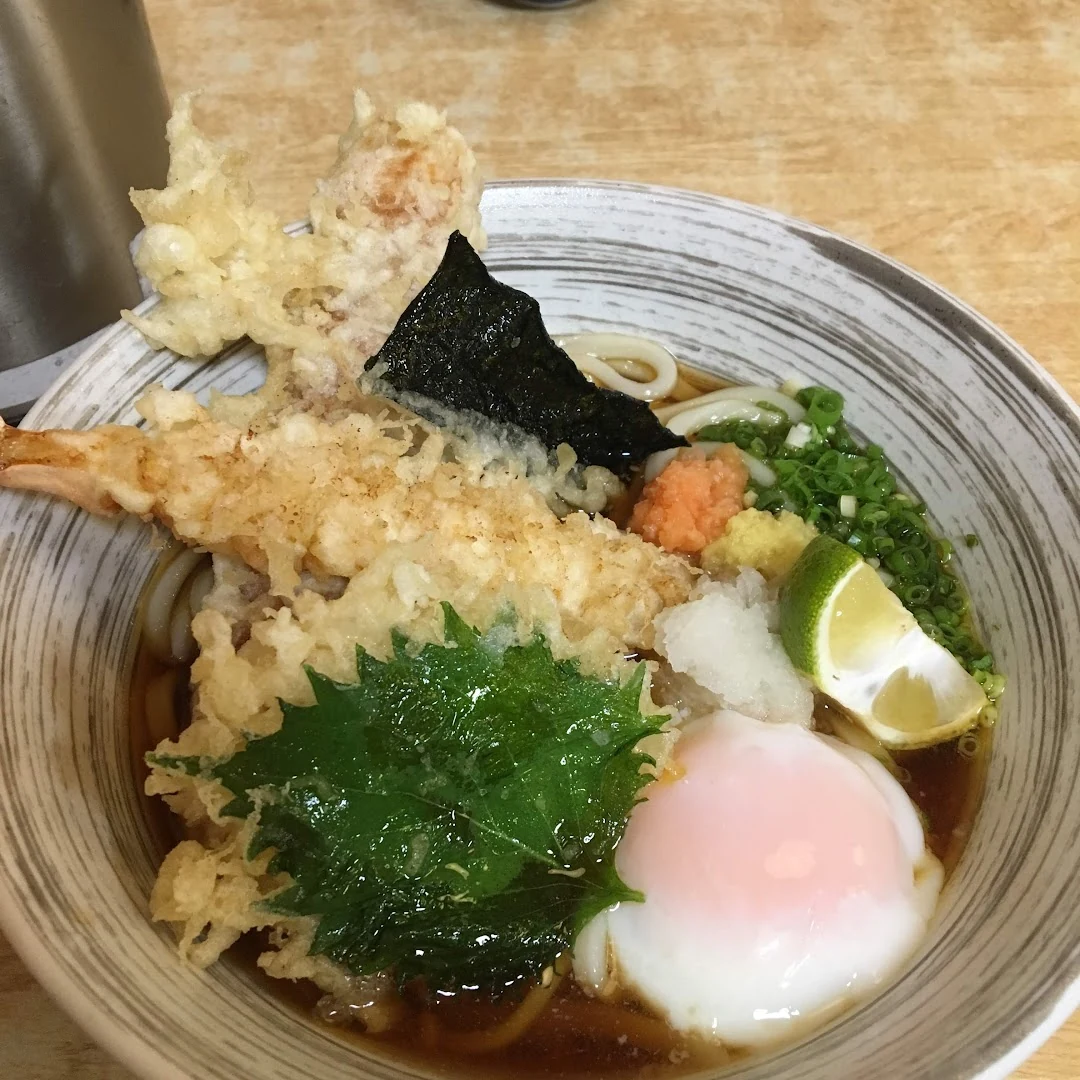
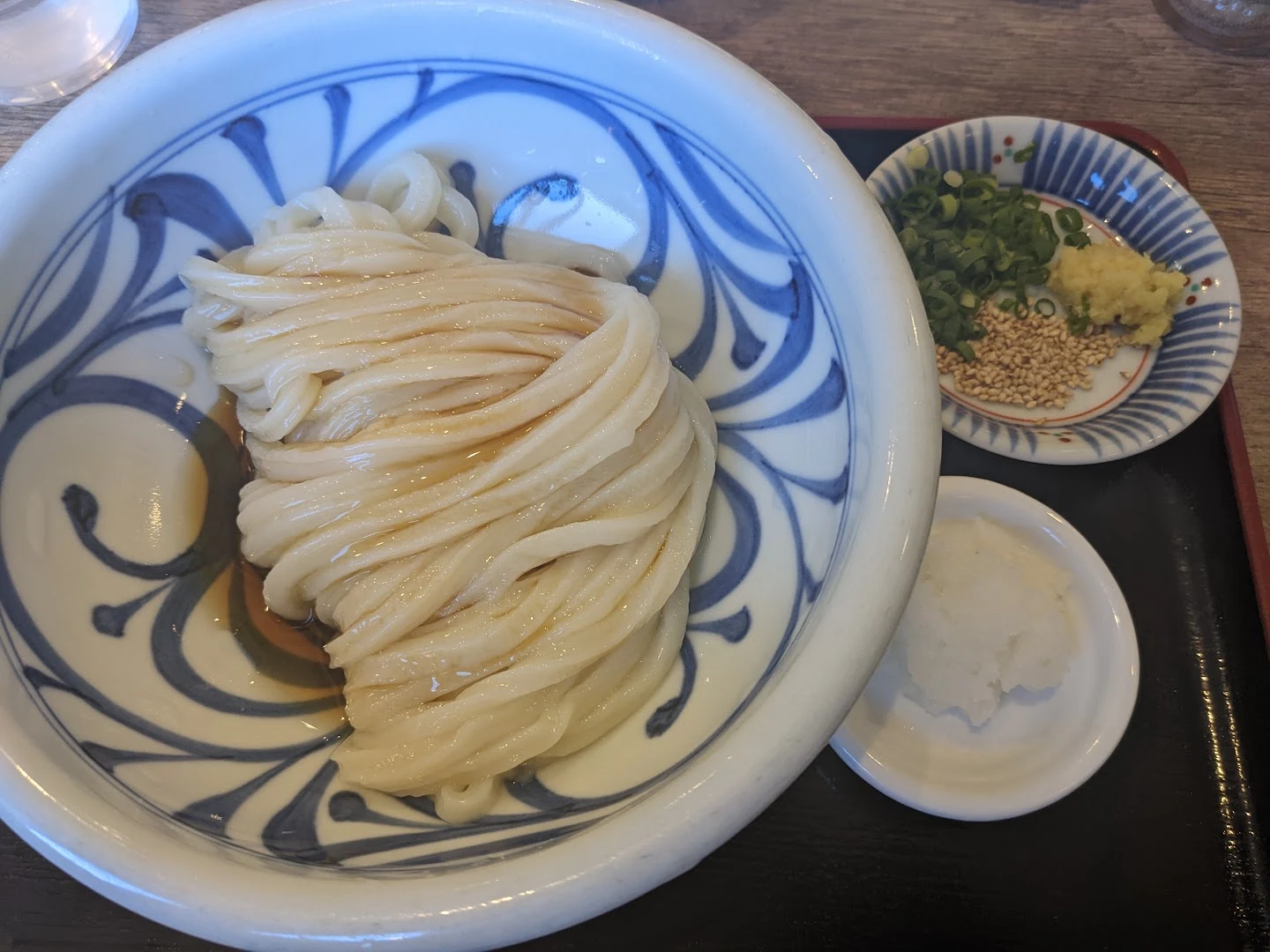
Bukkake udon uses much less liquid: a concentrated sauce is poured directly over the noodles, so their texture and chew stand out more clearly. Photo 2 is tempura bukkake; Photo 3 is a simpler bukkake.
Choose kake for comfort and broth; choose bukkake when you want to focus on the noodles.
| Kake | Bukkake | |
|---|---|---|
| Liquid | Plenty of hot dashi | A little concentrated sauce |
| Temperature | Usually hot | Hot or cold |
| Best for | Broth and comfort | Enjoying the noodle texture |
Dashi meets spice
Curry udon
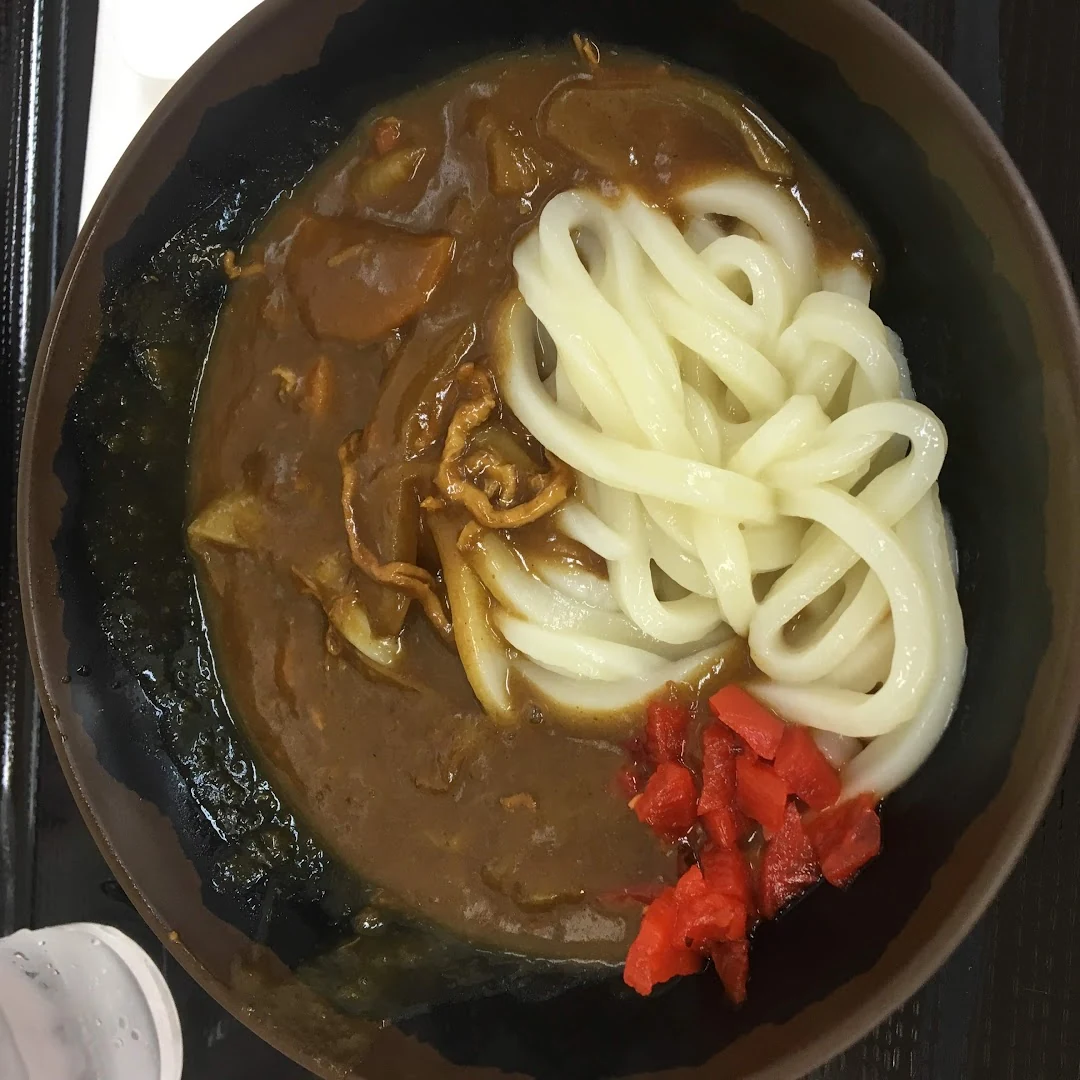
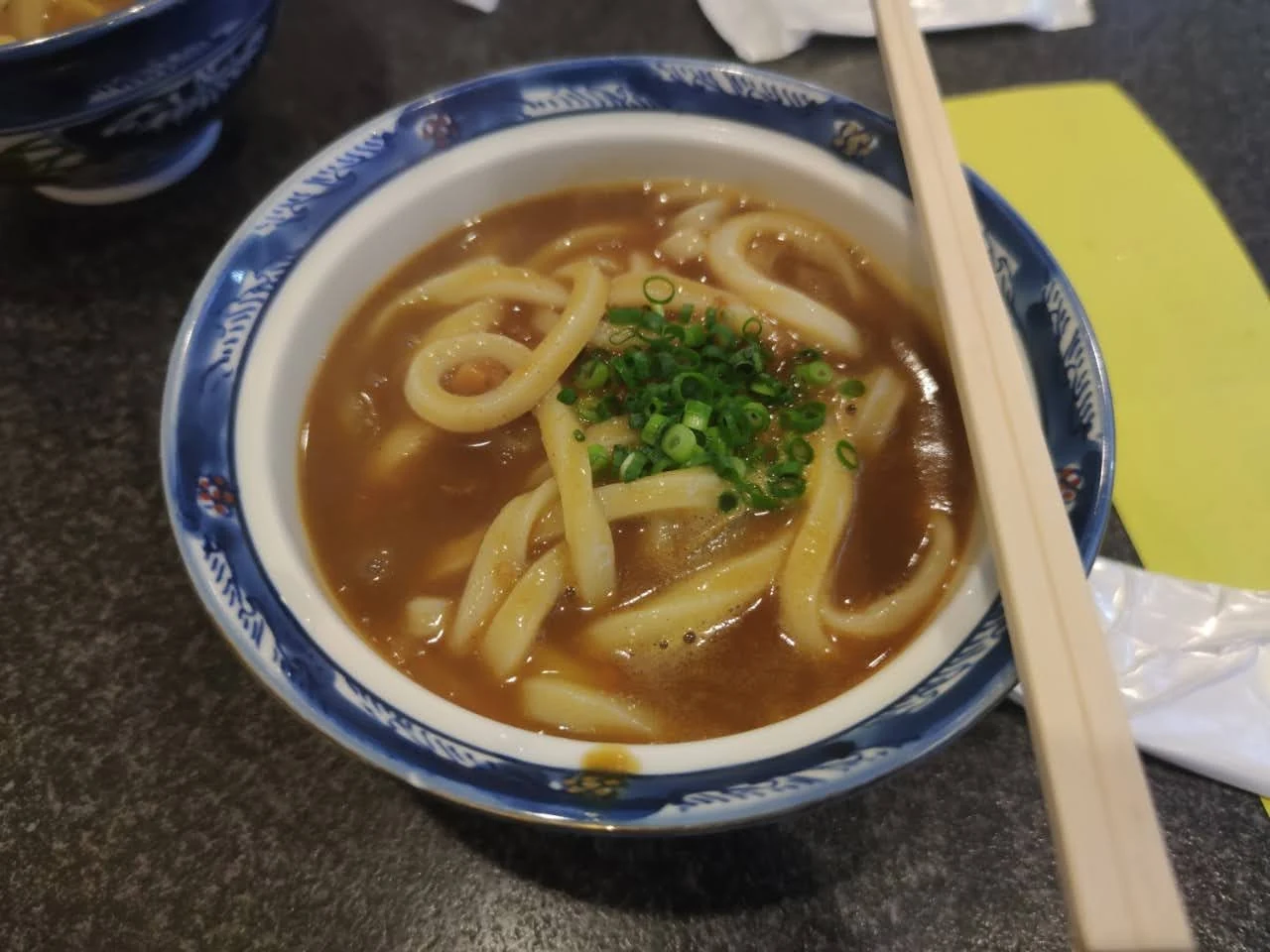
Curry udon combines Japanese dashi with curry for a deeply satisfying bowl. Photo 4 is a thick, rich version, while Photo 5 has more visible broth. Even under the same name, the thickness, spice level, and toppings can vary greatly from one restaurant to another.
Enjoy it piping hot
Nabeyaki udon and nabe-suki
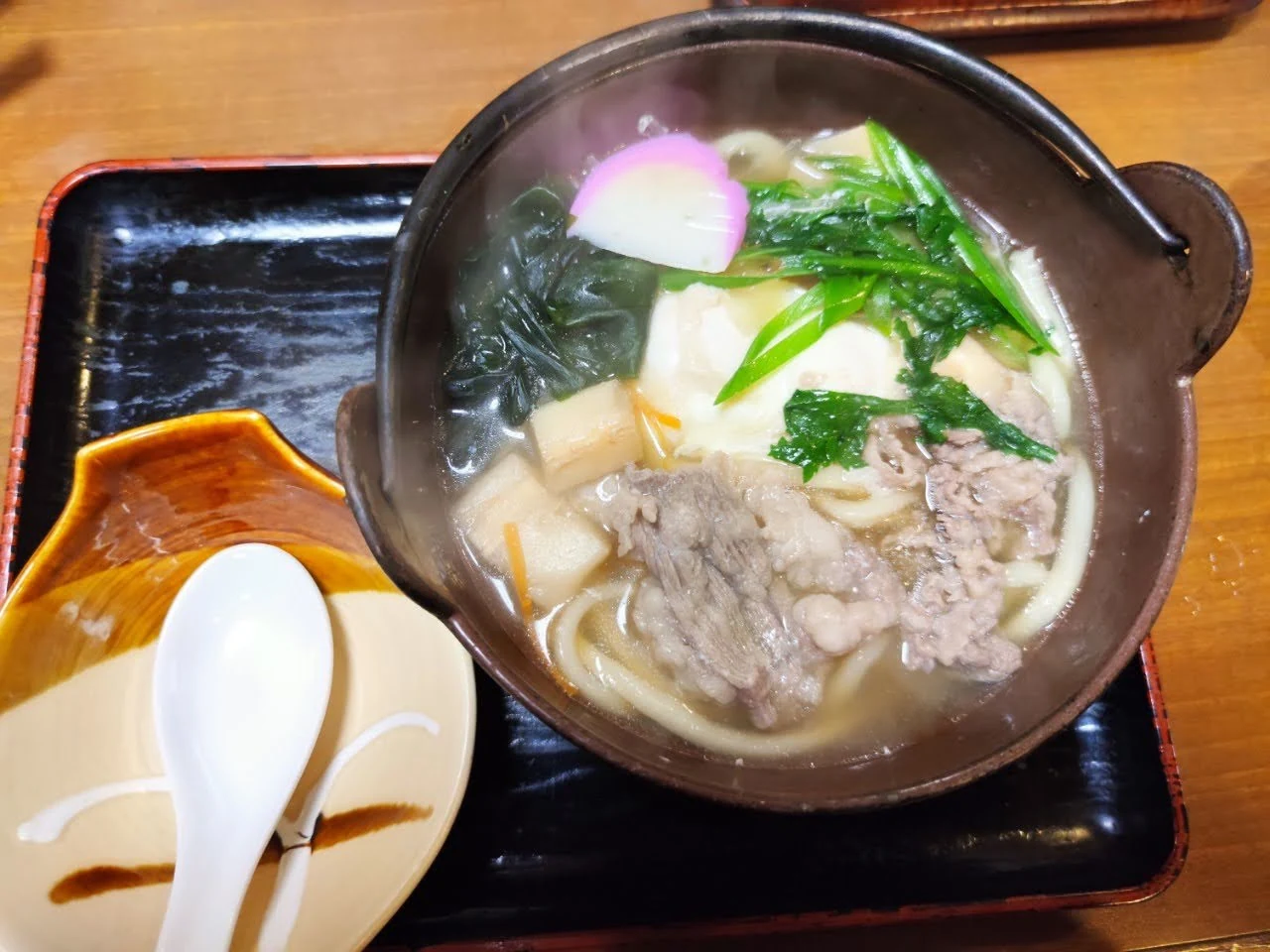
Nabeyaki udon is simmered with meat, vegetables, fish cake, and other toppings in an individual pot. It stays hot to the final mouthful, while the ingredients add their flavor to the broth.
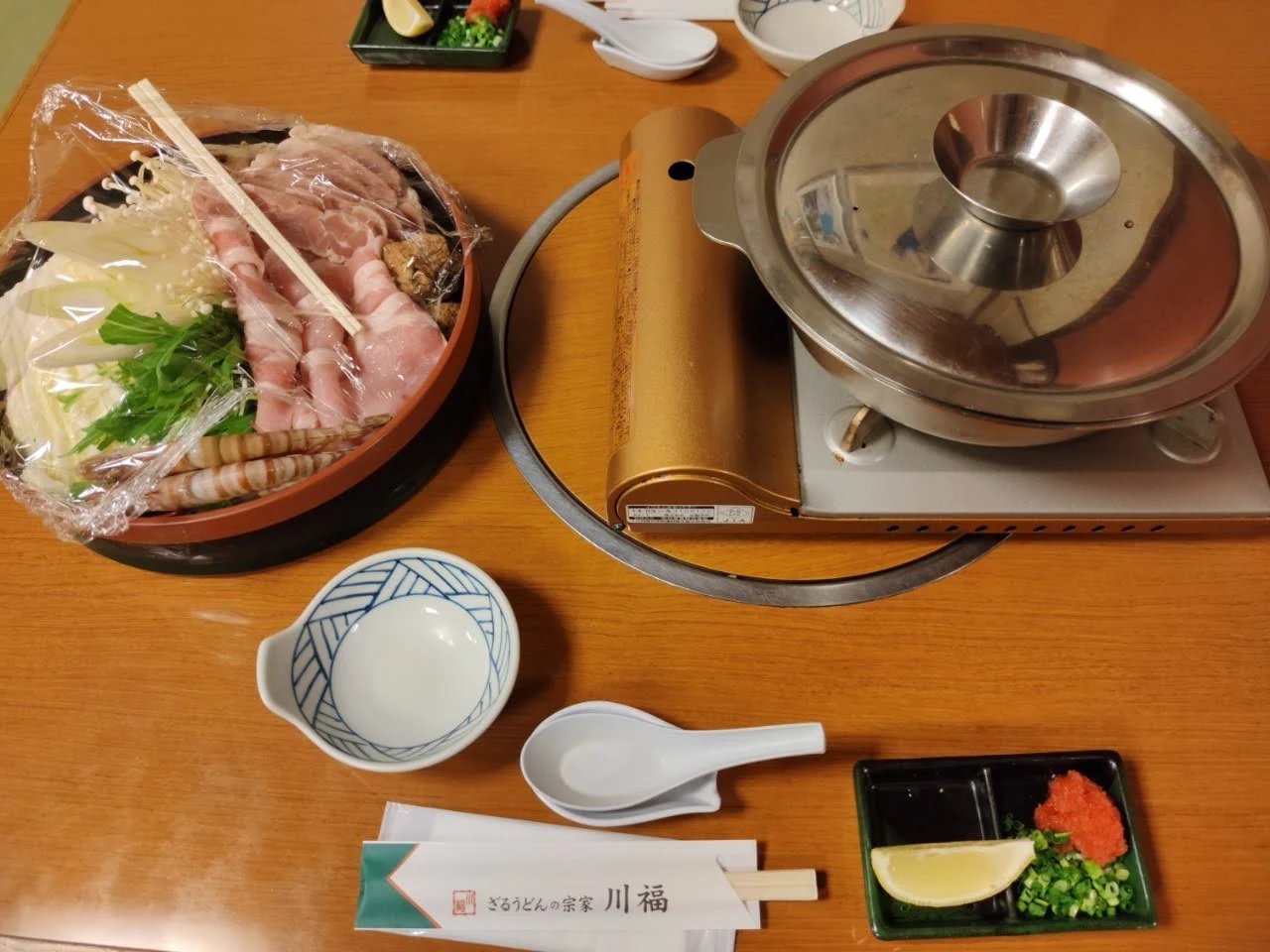
Nabe-suki is a tabletop hot-pot style in which meat, vegetables, and udon cook as you eat. Unlike a completed individual pot of nabeyaki, nabe-suki is cooked and shared at the table.
Taste the season and the region
Shippoku udon and New Year udon
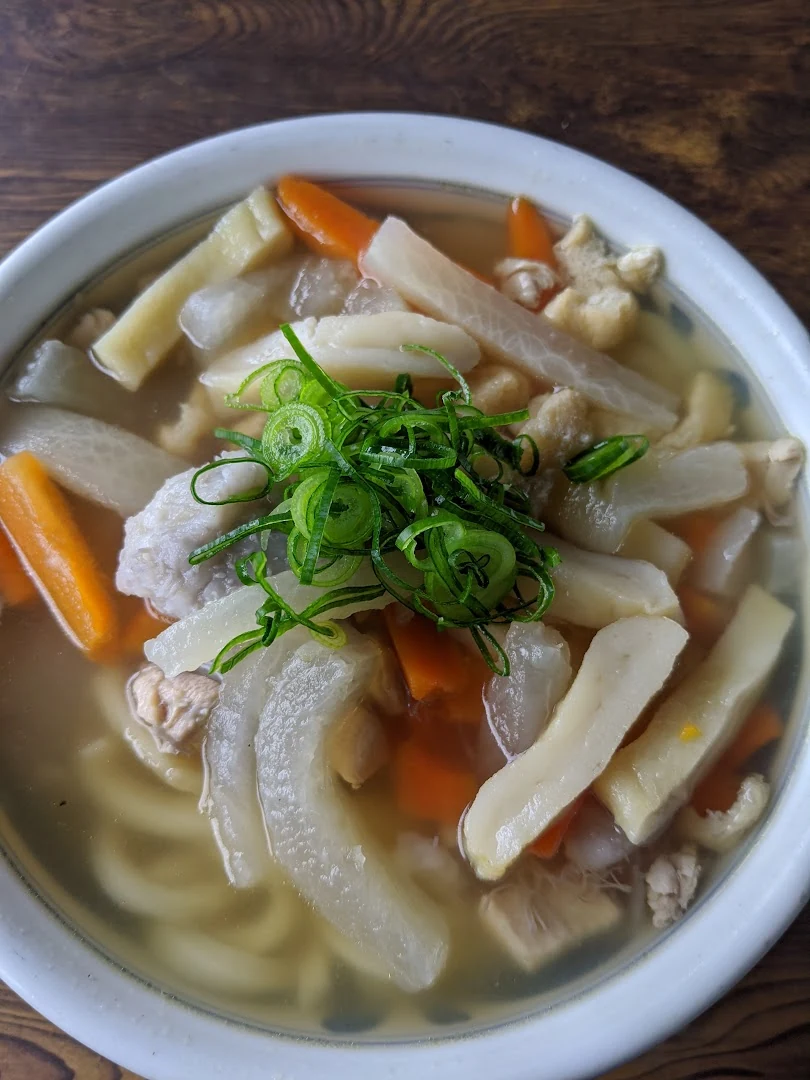
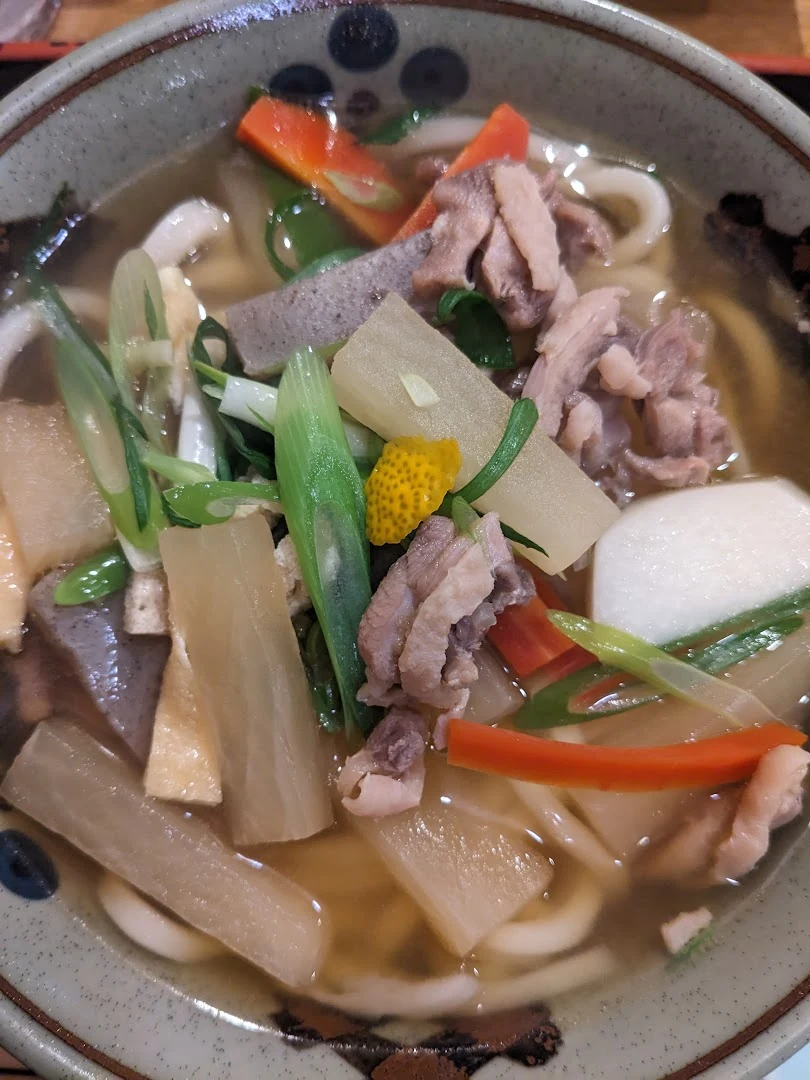
Shippoku udon pairs udon with vegetables such as daikon, carrot, burdock root, and taro simmered in dashi. Meat or fried tofu may also be added. Photos 8 and 9 show how the ingredients, cuts, and broth can differ from one restaurant or household to another.
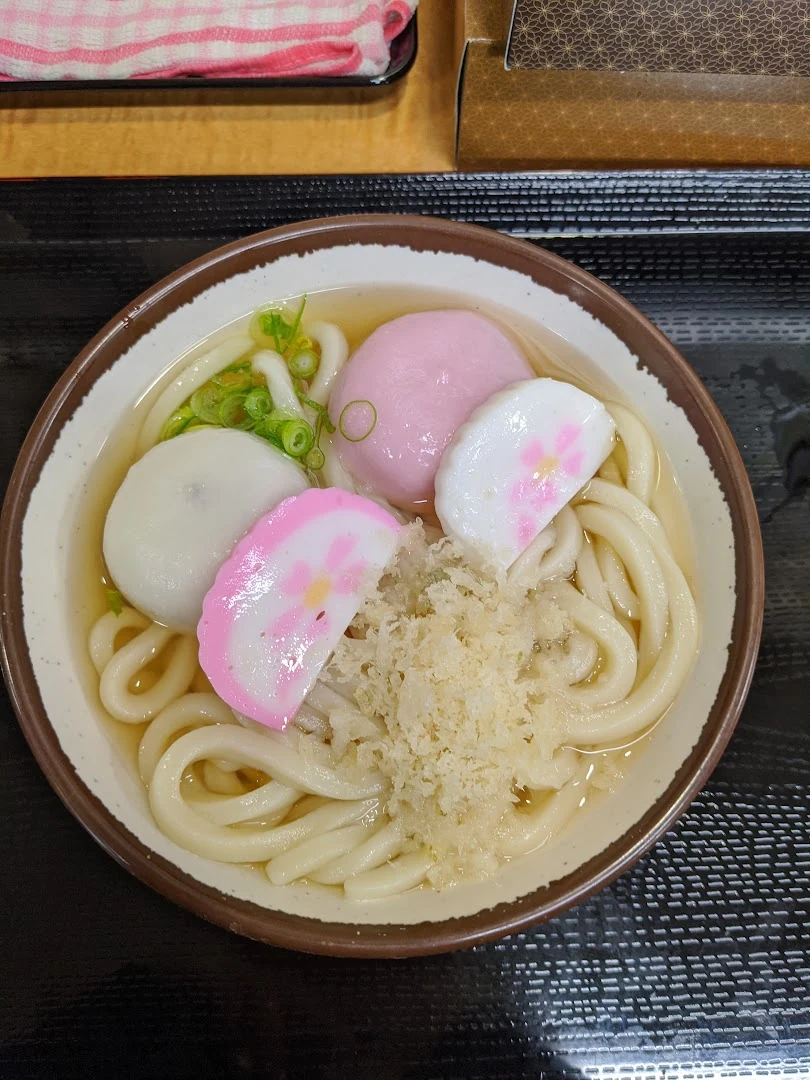
New Year udon, or toshiake udon, is eaten with wishes for happiness in the year ahead. Red or pink toppings are added to white noodles for an auspicious red-and-white color combination. Photo 10 is a festive bowl finished with fish cake and other colorful toppings.
One bowl made for sharing
Tarai udon
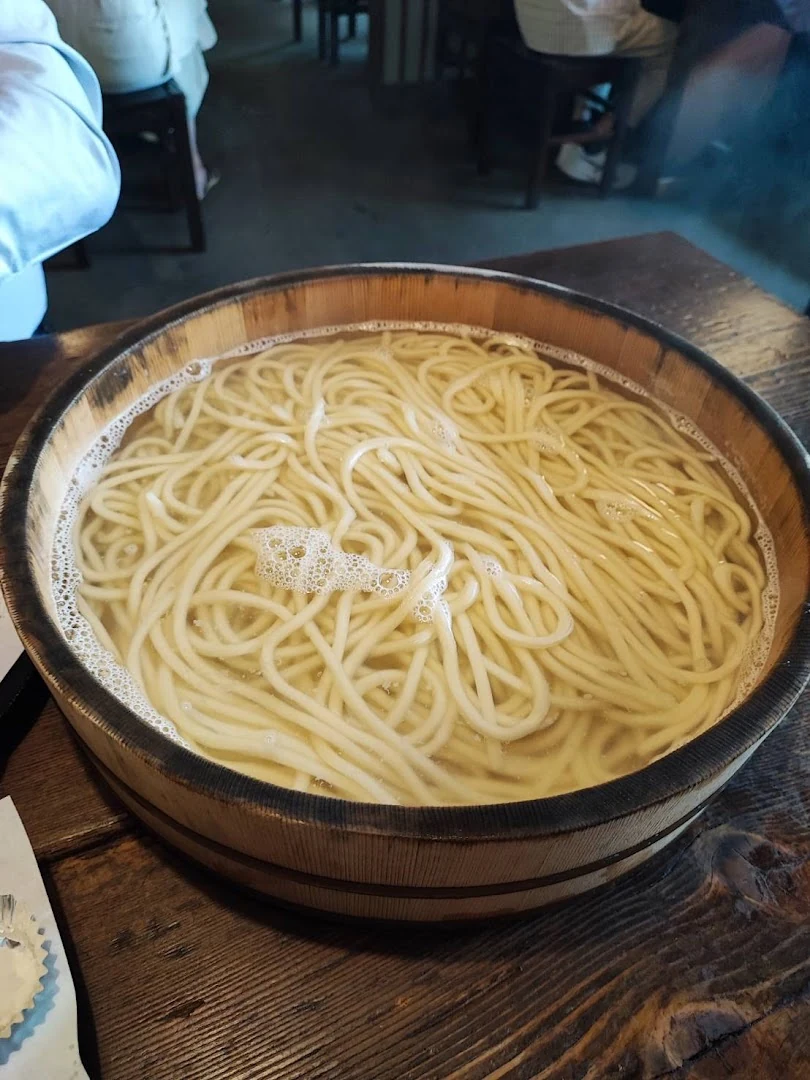
Tarai udon is a sharing style in which warm udon arrives in a large wooden tub. Diners serve themselves and dip the noodles into a separate sauce. The generous portion and communal presentation make it especially enjoyable with family or friends.
Unlike zaru udon, which is chilled in cold water, tarai udon keeps the noodles warm. This gives them a softer surface and makes their wheat aroma easy to appreciate.
Choose for today’s mood
Which type of udon should you try?
- For the dashi: kake, kitsune, or nabeyaki.
- For the noodles’ chew: bukkake or zaru.
- For something rich and filling: curry or tempura bukkake.
- For plenty of vegetables: shippoku.
- For sharing with family or friends: nabe-suki or tarai udon.
New to the noodle itself? Read what makes Sanuki udon different. Planning a meal in the city? See three local udon favorites in Tokyo.
Common udon questions
Frequently asked questions
What is the difference between kake udon and bukkake udon?
Kake udon is served in a generous bowl of dashi broth. Bukkake uses a smaller amount of stronger sauce poured directly over the noodles, which puts more focus on their chew and the toppings.
What is the difference between bukkake udon and zaru udon?
Bukkake sauce is poured directly over the noodles. With zaru udon, chilled noodles are served separately and dipped into a small bowl of sauce as you eat. Photo 3 is bukkake, not zaru udon.
When is shippoku udon eaten?
Shippoku udon is especially popular in colder months because it combines warm udon with root vegetables simmered in dashi. The ingredients vary by restaurant and household.
Can I make handmade udon in Tokyo?
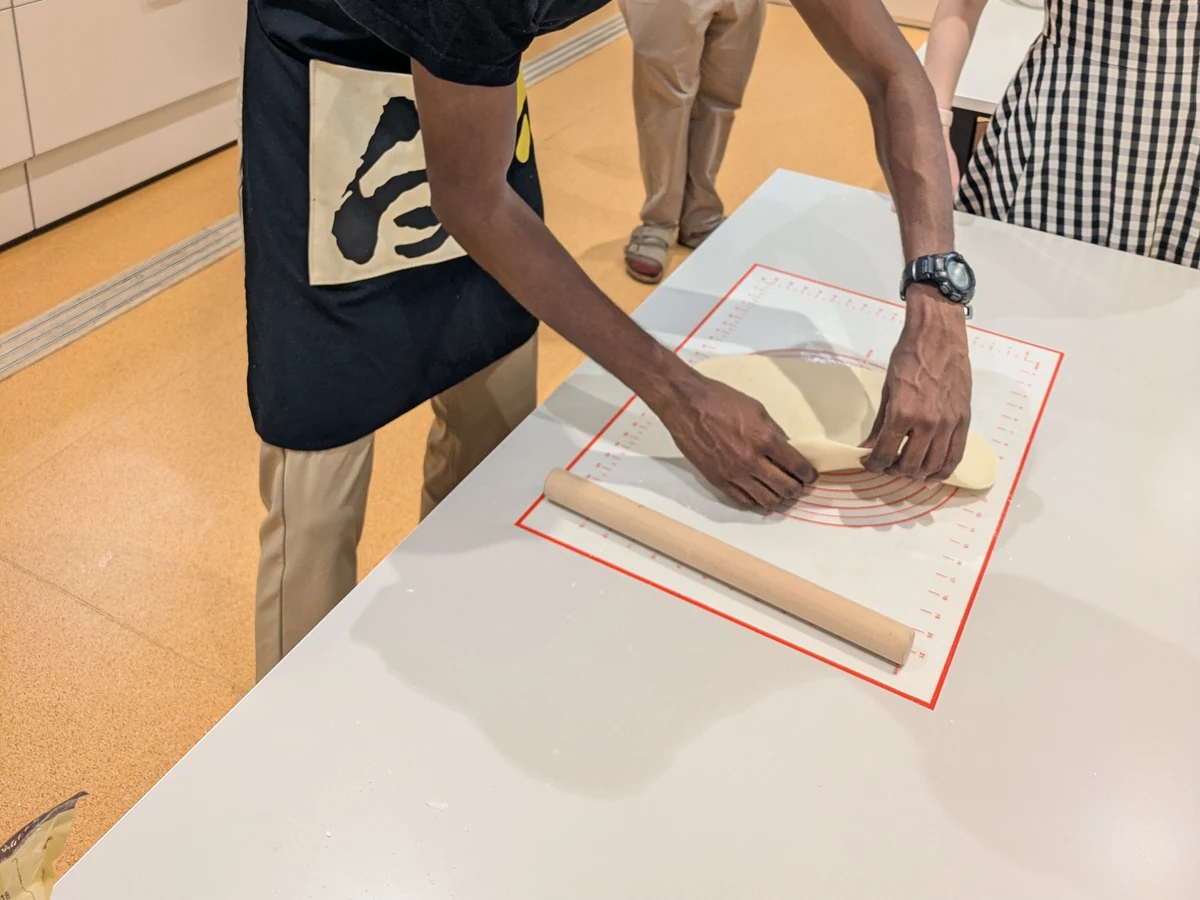
Yes. Our small-group workshop in Harumi covers the process from flour to finished bowl, including mixing, foot-stepping, rolling, cutting, boiling, and eating the noodles you make.
Understand udon by making it
Make Sanuki udon by hand in Tokyo
Once you know the serving styles, try making the noodles yourself. Freshly cut and freshly boiled udon makes it easy to experience their chew and wheat aroma.